Hidden defects in homes for sale in Amsterdam: what should you look out for?
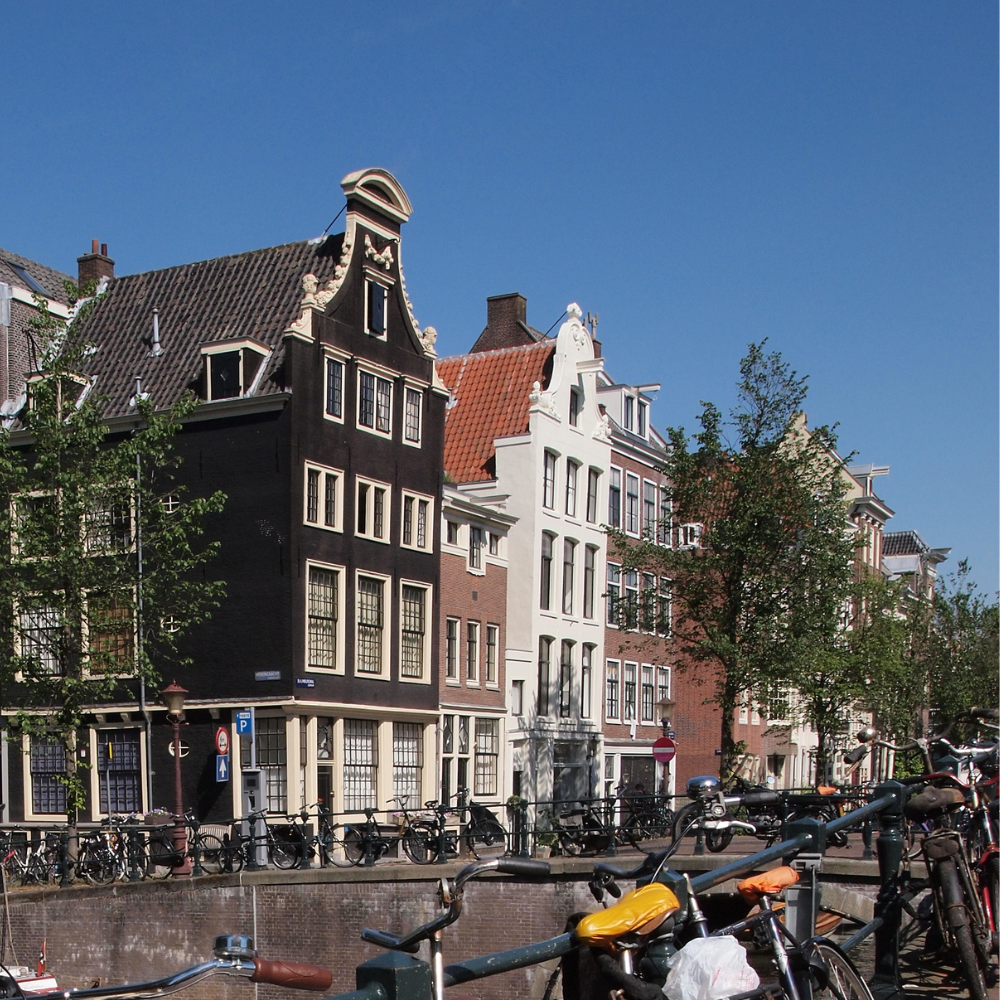
Hidden defects in a property you’re buying are defects that, as a buyer, you don’t always spot straight away during a viewing. Particularly in Amsterdam, where many homes are in older buildings, it’s important to know exactly what to look out for before signing a purchase agreement. So, what are the key points to bear in mind, and how can you minimise the risk of unexpected costs after the purchase?
What are hidden defects in a property purchase?
A defect in a property is not automatically a hidden defect. Some problems are clearly visible during a viewing or can be discovered upon closer inspection.
Hidden defects, on the other hand, refer specifically to problems that were not immediately apparent at the time of purchase. Whether the seller can ultimately be held liable depends on the specific situation, what the parties agreed, and what the buyer and seller knew about the property.
As a buyer, you also have a duty to investigate. This means you are expected to carry out your own enquiries about the property and ask questions where there is cause to do so. The seller, in turn, has a duty to provide information and must share any relevant information of which they are aware. The UK Government also refers to this duty of the buyer to investigate and the seller’s duty to provide information in the context of a sale agreement.
What sort of hidden defects can occur in a property you’ve bought?
Hidden defects can take various forms. Some problems are relatively easy to resolve, whilst others can have significant financial consequences.
Examples of issues to watch out for include:
- damp problems or leaks;
- wood rot;
- problems with the roof or façade;
- defects in pipework or installations;
- foundation problems;
- structural defects;
overdue maintenance that is not immediately visible.
Not every defect on this list is automatically considered a hidden defect in legal terms. It depends, amongst other things, on whether the problem was apparent at the time of purchase, what information was available, and what you, as the buyer, could reasonably expect from the property.
This is precisely why it is important to look not only at the appearance of a property, but also at its technical and legal condition.
Hidden defects in owner-occupied properties in Amsterdam
When it comes to hidden defects in owner-occupied properties in Amsterdam, there are a number of local considerations. The city has many older houses and flats, which means that the structural condition can vary significantly from one property to another.
Foundations
In older Amsterdam properties, the foundations can be a key area of concern. Problems with the foundations are not always visible during a standard viewing and can have serious consequences.
It is therefore advisable to review any available information about the foundations and, if in doubt, to have further investigations carried out.
Damp and leaks
Damp patches, leaks or mould may indicate an existing problem. Sometimes the signs are clearly visible, but this is not always the case.
During a viewing, for example, look out for discolouration on walls or ceilings, a musty smell and recent localised repainting. Such signs do not automatically mean there is a problem, but they may be a reason to ask further questions.
Roof and façade
The condition of the roof and façade also deserves attention. In the case of flats, these parts are often jointly owned and maintenance is the responsibility of the Owners’ Association.
It is therefore wise to look not only at the flat itself, but also at the condition of the entire building and the Owners’ Association’s plans.
The Owners’ Association can provide important information
If you buy a flat in Amsterdam, you automatically become a member of the Owners’ Association. The Owners’ Association’s documents can contain a great deal of information about maintenance and any issues within the building.
These include, for example, minutes of meetings, the long-term maintenance plan and financial documents. These may reveal whether work is planned on, for example, the roof, the façade or other communal areas.
Previous discussions about leaks, maintenance or other issues may also be relevant.
An flat may look excellent during a viewing, whilst the Owners’ Association may already have plans in place for major maintenance. By carefully reviewing the documents in advance, you’ll gain a more complete picture of what you’re buying.
What is your duty to investigate as a buyer?
Do you want to buy a house? Buying a property comes with responsibilities. As a buyer, you cannot automatically assume that everything about a property is in perfect condition.
For example, if you notice cracks, damp patches or other noticeable issues during a viewing, it makes sense to ask questions about them and, if necessary, have further investigations carried out.
Documents made available prior to the purchase also deserve your attention. These include the seller’s questionnaire, owners’ association documents and information about maintenance or renovations.
The duty of due diligence does not mean that you must be able to uncover every possible problem yourself. However, it is important that you take any warning signs seriously and carry out investigations when there is cause to do so.
If you are looking to buy a house in Amsterdam, guidance from a buying agent can help you identify important structural and legal issues even before the offer is made
What information must the seller provide?
It is also important for sellers to clearly disclose any known defects and special features of the property. Anyone considering selling a house in Amsterdam would therefore be well advised to carefully gather all relevant information and documents in advance. This prevents any ambiguity during the sales process and helps potential buyers to make an informed decision.
For this reason, a seller usually completes a questionnaire about the property during the sales process. This covers various features and any particularities of the house.
As a buyer, it is important for you to go through this information carefully and ask questions if anything is unclear. Do not rely solely on what you see during the viewing.
When is a structural survey advisable?
A structural survey can help you gain a better understanding of a property’s technical condition.
During such a survey, visible structural elements are examined and any potential issues may be identified. This provides a clearer picture of the maintenance that may be required either immediately or in the long term.
A structural survey can provide valuable information, particularly for older properties or where doubts arise about the technical condition during a viewing.
Of course, a survey does not guarantee that every possible defect will be found. Some parts may be inaccessible, or problems may not be detectable without specialist investigation. However, it does help you make a more informed decision about the purchase.
Look beyond the property itself
When assessing a property for sale, attention during a viewing often focuses mainly on the living room, kitchen, bedrooms and outdoor space. Yet it is precisely the less obvious aspects that are important.
You should therefore also consider the condition of the building, the available documentation and the legal situation.
In Amsterdam, for example, ground rent, the owners’ association (VvE) and the state of maintenance of older properties can play a significant role. By taking all these aspects into account, you’ll get a more realistic picture of the property and the potential costs following purchase.
What if you do discover a defect after the purchase?
Even with careful preparation, you may discover a problem after the transfer that was not known during the purchase process.
Whether you can hold the seller liable for this depends on the circumstances. Factors such as the contract of sale, the nature of the defect, the information provided in advance and the checks carried out may all play a role.
The Civil Code stipulates, in general terms, that a purchased item must comply with the contract and that a buyer must raise a complaint within a reasonable time of discovering a potential defect.
If you discover a serious problem after purchase, it is important first to establish exactly what the issue is and what terms were agreed in the contract of sale. The Legal Advice Centre provides further information on hidden defects in a property purchased for residential use and the steps you might consider taking in such a situation.
Avoid surprises by being well prepared
Buying a property isn’t something you do every day. In a fast-moving property market, there can be considerable pressure to make a quick decision, but that doesn’t mean you should skip important checks.
Examine the available documents carefully, ask questions if anything is unclear, and arrange for further investigations if there is cause to do so. An attractive property may still have technical or legal issues that could influence your decision.
Amstelland Makelaars guides buyers through the entire purchase process. With local market knowledge and a focus on structural and legal aspects, we help you look not only at what you see, but also at what lies behind the property.
Would you like to buy a property in Amsterdam with greater certainty? Then contact Amstelland Makelaars for personalised guidance on your purchase.