Selling a house in Amsterdam and foundation problems: what you really need to know as a seller
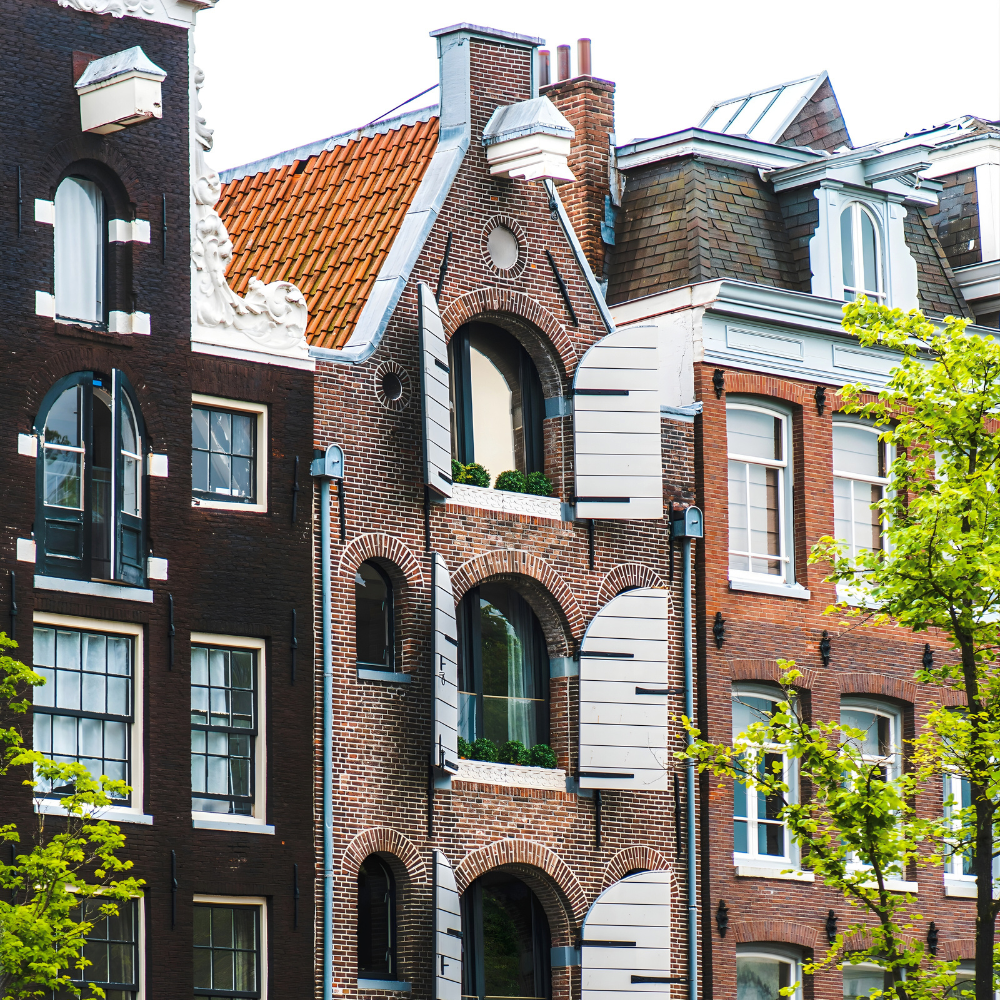
When you are selling a house in Amsterdam, you may well have questions about the foundations of your property. Amsterdam is full of impressive, historic buildings, some of which have fragile foundations. Many buildings rest on wooden piles that were placed in the ground decades ago. Due to subsidence, pile rot or changes in the groundwater, these piles may have deteriorated in quality. This can affect the value of your property, the interest of potential buyers and the course of the sale.
Why foundation problems are so common when selling a house in Amsterdam
Anyone who wants to sell a house in Amsterdam will notice that foundations are an important issue. The reason is simple: many houses in Amsterdam are old and stand on ground that is shifting. This means that foundation problems are not an exception but rather a common issue. Amsterdam has a long history of building on wooden piles. These piles sink deeper and deeper or are affected by bacteria, which reduces their load-bearing capacity.
In addition, Amsterdam has to contend with changes in water levels. When the groundwater level is low for a long period of time, wooden piles dry out and pile rot occurs. There are also parts of the city where land subsidence is faster than in other areas. The combination of these factors means that foundation problems are common, especially in neighbourhoods such as De Pijp, Oud-West, the Jordaan, parts of Oost and Nieuw-West.
For sellers, this means that foundation problems can always be an issue, even if you think your property is well maintained. That is why it is so important to take this subject seriously.
How to recognise foundation problems when selling a house in Amsterdam
When selling a house in Amsterdam, you may notice signs that indicate foundation damage. Not every seller recognises these signs immediately, because minor deviations are often seen as normal signs of ageing in the property. However, there are clear indicators that point to possible damage.
Signs of foundation problems
Typical signs include:
- Cracks in interior or exterior walls, especially diagonal cracks
- Floors that slope or noticeably sag
- Doors that no longer close properly
- Windows that stick or hang crookedly
- Crookedness of the entire building
- Staircases that visibly deviate
These signs do not necessarily mean that there is serious foundation damage, but they are a reason to be alert. During the house selling process in Amsterdam, a buyer or purchasing agent will certainly notice these signs.
Role of a structural survey
Many buyers in Amsterdam have a structural survey carried out. During such a survey, the foundations are not always fully examined, but indicators are identified. If the survey reveals that there are risks, this can make buyers uncertain. As a seller, it is therefore often wise to provide clarity yourself in advance.
Obligation to report foundation problems when selling a house in Amsterdam
When you are selling a house in Amsterdam, transparency is an absolute prerequisite. As a seller, you have a legal obligation to report all known defects, and this certainly applies to foundation problems. Foundation damage can have major financial consequences for buyers, which is why you are expected to be completely open about what you know or could reasonably have known.
What happens if you do not report anything
If you conceal foundation problems, consciously or unconsciously, and the buyer discovers damage after the transfer, this can have major legal consequences. Buyers can file a claim if they believe that the property does not meet the expectations they may have had based on your information. This can lead to lengthy legal proceedings, compensation claims and discussions about non-conformity. Sometimes this can result in buyers reclaiming part of the purchase price or wanting to renegotiate the terms. These are situations that you, as the seller, would prefer to avoid. By being honest and complete in advance, you avoid problems and create trust, which has a positive effect during the negotiations.
Documentation you need to collect
When selling a house in Amsterdam, it is wise to collect all available documentation about the foundation and maintenance. This includes recent structural reports that identify potential foundation risks. If information is available from the Funderingsloket (Foundation Desk) or the local council, add this to the file as well. Minutes from the owners' association meetings over the past few years are also important, as they often discuss maintenance plans, signs of subsidence or planned inspections. The MJOP, the long-term maintenance plan, gives buyers insight into future costs and work planned by the owners' association. In addition, photographs of visible cracks or subsidence can contribute to a clear substantiation of the situation. If quotations or proposals for repair work have already been requested, include these in the documentation as well.
The more complete your file is, the stronger your position will be during the sale. You will avoid surprises, demonstrate professionalism and give buyers the confidence to make an informed decision.
How foundation problems affect the selling price when selling a house in Amsterdam
Selling a house in Amsterdam with foundation problems does not mean that you cannot sell your property for a good price. However, the problems do affect the market value. Buyers must take into account repair costs, which can sometimes amount to tens of thousands of pounds per property or per owners' association. They therefore factor this into their bid.
Factors that determine the value
The most important factors that determine the extent of the effect on the value are:
- The severity of the foundation damage
- The expected repair costs
- The planning of the owners' association (for flats)
- The location of the property
- Market pressure in the neighbourhood in question
- The degree of transparency towards buyers
In popular locations, such as Oud-Zuid or Amsterdam Centre, buyers are often still willing to invest, even when the foundations need attention. In up-and-coming neighbourhoods, buyers are sometimes more critical and price sensitivity plays a greater role.
How an estate agent makes the difference when selling a house in Amsterdam with foundation problems
When selling a house in Amsterdam with foundation problems, an experienced estate agent is indispensable. Not every buyer understands the technical details, which is why an estate agent provides clear explanations, complete documentation and realistic expectations. This gives buyers confidence and prevents uncertainty during the sales process.
In addition, an estate agent helps to determine an appropriate asking price that takes the situation into account, without you losing value unnecessarily. During negotiations, the estate agent plays an important role by presenting facts clearly and guiding buyers in assessing risks and opportunities.
Thanks to their knowledge of the Amsterdam housing market, a local estate agent knows exactly how comparable properties are valued and how to successfully sell your property despite foundation problems.
Would you like to know the best approach for your situation and how to best market your property? Take a look at our page Selling a house in Amsterdam or contact us for personal advice.
Selling a house in Amsterdam with foundation problems is still possible
Selling a house in Amsterdam with foundation problems requires preparation, but it certainly does not have to be an obstacle. There is still high demand for homes on the Amsterdam market, even when maintenance is required. With the right strategy, a transparent file and good guidance, you can still achieve a strong sale. Ultimately, it is about honesty, preparation and expert advice.